What You’ll Learn
*Technical mastery — Systems knowledge across airframe, powerplant, electrics, and avionics.
*Compliance and documentation — Part-145 procedures, MOE/SMS basics, tech records, task cards, and CRS context.
*Diagnostics and troubleshooting — Systematic fault-finding, test equipment use, and defect analysis.
*Professional standards — Human factors, safety reporting, tool control, FOD prevention, and quality mindset.
Training Format:
1.Classroom theory with interactive workshops
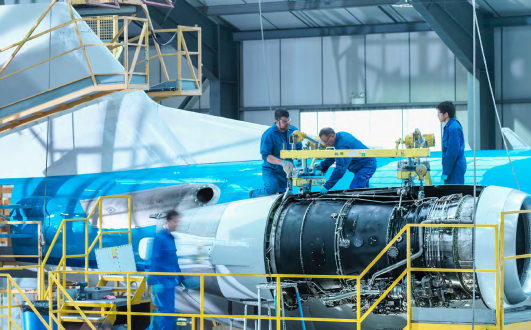
2.Lab sessions and on-aircraft practical exercises
3.Scenario-based assessments and oral boards
4.Logbook and evidence building for experience sign-off
5.Exam preparation and mock testing
Delivery options:
*Full-time intensive blocks
*Modular weekends/evenings
*Custom cohorts for employers
Who It’s For
*School leavers and college graduates aiming for aviation engineering
*Skilled trades transitioning into aerospace
*Licensed engineers refreshing or extending privileges
*Defence personnel converting to civil standards
*Employers upskilling teams to meet regulatory and fleet needs
Facilities and Fleet
1.Dedicated classrooms, labs, and tooling bays
2.Line-style and hangar-style training environments
3.Access to representative piston and turbine aircraft
4.Calibrated tooling, test benches, and avionics rigs
5.Flight safety and human factors training suites
Pathways and Support
*Individual learning plans and mentoring
*Guidance on Part-66 modules, exams, and experience requirements
*CV, interview, and portfolio preparation
*Placement and employer-introduction support